
How Neurofeedback Helps Build Regulation from the Inside Out

At Kincove, we often say that healing happens when the brain and nervous system feel safe enough to learn.
Many of the clients we work with are thoughtful, motivated, and deeply engaged in therapy. They understand their patterns. They have coping skills. They are doing the work.
And still, when stress hits, those tools can suddenly feel out of reach.
That is not a lack of effort. It is the nervous system doing what it learned to do to protect.
When the brain is stuck in overdrive or begins to shut down under pressure, insight alone is often not enough. The work becomes supporting enough regulation so that coping, reflection, and connection are actually accessible in the moments they are needed most.
Neurofeedback in a Nutshell
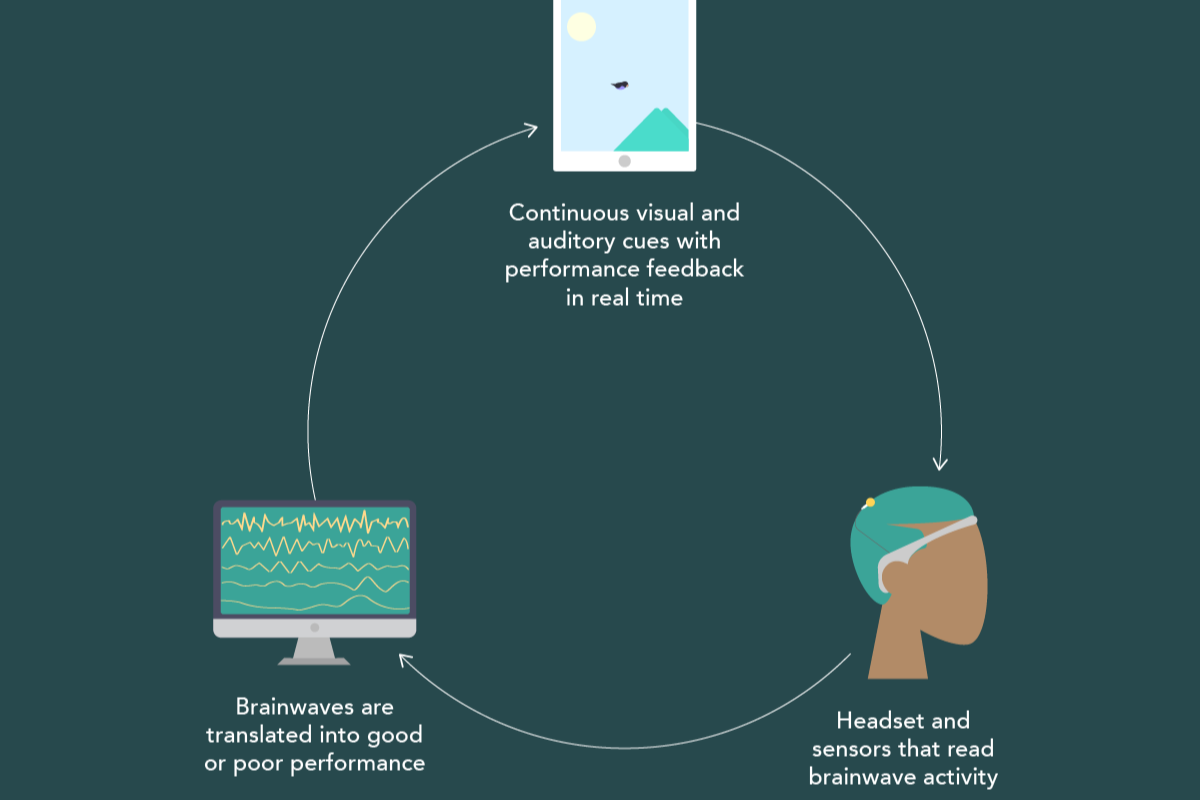
Neurofeedback is a gentle, non-invasive form of brain training that helps the brain learn how to regulate itself more effectively.
Using EEG technology, we measure brain activity in real time and provide feedback through visuals and sounds. The brain uses this information to practice healthier patterns, much like exercising a muscle.
Over time, neurofeedback may support:
emotional regulation and resilience
improved focus and attention
reduced anxiety and reactivity
better sleep
greater access to coping skills in real moments of stress
How We Use It at Kincove
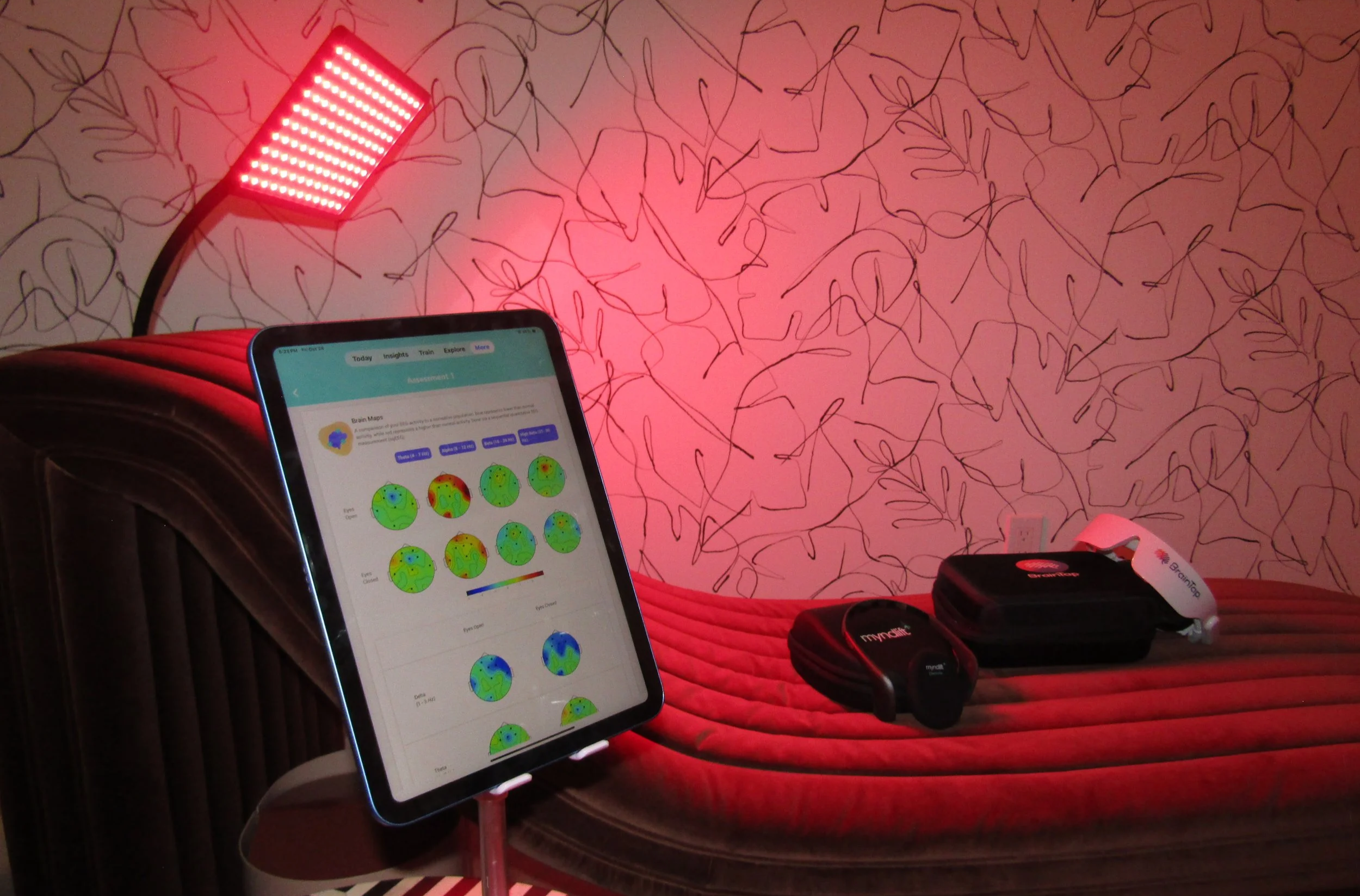
Each client’s neurofeedback plan is individualized and guided by ongoing data.
We begin with an assessment and brain mapping, then create a personalized plan that may include neurofeedback alongside therapy and other therapeutic supports. As the brain changes, we adjust accordingly.
This allows us to track progress, notice meaningful shifts, and share insights with clients and collaborating providers.
What We Are Seeing
While every journey is unique, many clients share that they are able to recover more quickly from big emotions, feel more connected to themselves, access coping skills more easily, and stay more focused and intentional in their day to day lives.
Over time, these shifts often make therapy feel more effective, not because the work changes, but because the nervous system becomes more able to hold it.
Working Together in Care
Neurofeedback at Kincove is designed to complement the work already happening in therapy, not replace it.
Many clients who participate are also working with individual therapists, family therapists, psychiatrists, or treatment teams. We value these relationships deeply and see this as shared care.
As nervous system regulation improves, emotional insight and relational work often become easier to access and maintain.
Curious to Learn More
If you are a provider wondering whether a client might benefit, or a parent or client curious about neurofeedback, we would love to connect.
We are always happy to talk things through and figure out together what might feel most helpful.
